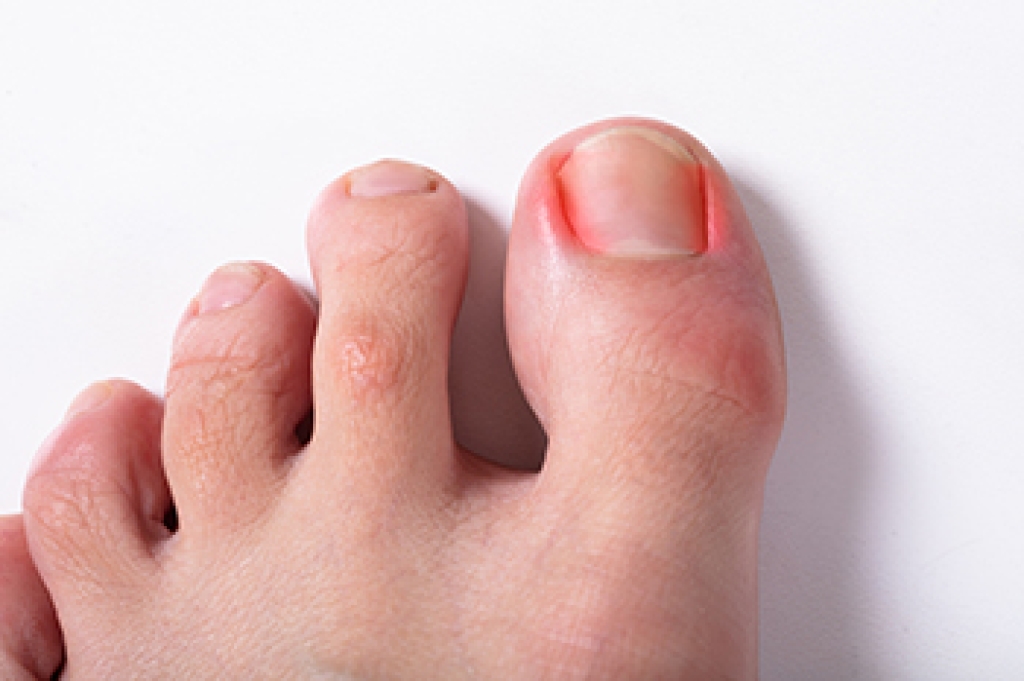
Ingrown toenails are often described as a simple trimming problem, but the real causes are usually more complex. Nail shape, toe structure, and pressure patterns all influence how a nail grows. Shoes that crowd the toes, repetitive stress from walking or sports, and even subtle changes in gait can push the nail edge into surrounding skin. Over time, the body reacts with swelling, redness, and pain that may worsen without clear infection. Home remedies sometimes mask symptoms while the nail continues to grow incorrectly beneath the surface. Chronic ingrown toenails can also alter how you walk, leading to discomfort elsewhere in the foot. Treatment focuses on correcting the nail growth pattern and relieving pressure, not just reducing pain. If toe pain, swelling, or recurring nail issues persist, it is suggested that you see a podiatrist for a diagnosis and appropriate treatment.
Ingrown toenails may initially present themselves as a minor discomfort, but they may progress into an infection in the skin without proper treatment. For more information about ingrown toenails, contact one of our podiatrists of Foot Doctors of Utica. Our doctors can provide the care you need to keep you pain-free and on your feet.
Ingrown Toenails
Ingrown toenails are caused when the corner or side of a toenail grows into the soft flesh surrounding it. They often result in redness, swelling, pain, and in some cases, infection. This condition typically affects the big toe and may recur if it is not treated properly.
Causes
- Improper toenail trimming
- Genetics
- Improper shoe fitting
- Injury from pedicures or nail picking
- Abnormal gait
- Poor hygiene
You are more likely to develop an ingrown toenail if you are obese, have diabetes, arthritis, or have any fungal infection in your nails. Additionally, people who have foot or toe deformities are at a higher risk of developing an ingrown toenail.
Symptoms
Some symptoms of ingrown toenails are redness, swelling, and pain. In rare cases, there may be a yellowish drainage coming from the nail.
Treatment
Ignoring an ingrown toenail can have serious complications. Infections of the nail border can progress to a deeper soft-tissue infection, which can then turn into a bone infection. You should always speak with your podiatrist if you suspect you have an ingrown toenail, especially if you have diabetes or poor circulation.
If you have any questions, please feel free to contact our offices located in Herkimer, and New Hartford, NY . We offer the newest diagnostic and treatment technologies for all your foot care needs.
