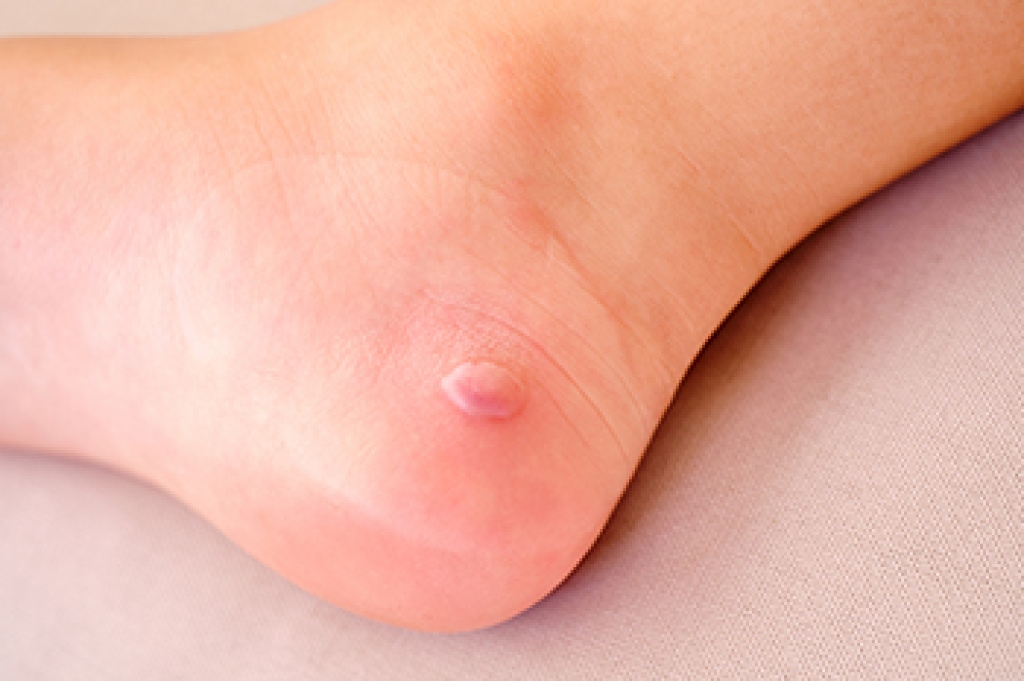
Diabetic foot blisters are fluid-filled areas that develop when skin is damaged by friction, pressure, or irritation. Diabetes can make these injuries more concerning because nerve damage may reduce sensation. A diabetic patient may not notice rubbing until the skin becomes damaged. A blister often looks like a raised bubble containing clear fluid. The surrounding skin may appear red or irritated. A small blister deserves attention because broken skin can become vulnerable to infection.
Symptoms may include a raised bubble, tenderness, or warmth. An open blister can cause drainage and leave raw skin underneath. Common risk factors include diabetic neuropathy, reduced circulation, and repeated pressure. Long periods of walking can increase friction. Previous diabetic foot wounds may also increase concern. Checking your feet every day can help you notice blisters before they become larger or more difficult to heal.
A podiatrist will examine the blister and check circulation, sensation, and possible pressure points. An intact blister may be protected with a suitable dressing while pressure is reduced. If the blister has opened, the podiatrist may carefully clean the area, remove unhealthy tissue when appropriate, and apply wound protection. Footwear may be adjusted to reduce friction. Follow-up visits can help confirm healing and identify the cause of repeated skin irritation.
Do not pop or cut a diabetic foot blister yourself. Damaged skin can create an opening for bacteria and increase infection risk. Keep the area clean and protected while arranging professional evaluation. Watch for worsening redness, warmth, or delayed healing. These changes require prompt medical attention. Good diabetic foot care includes daily inspection and properly fitted shoes. If you have diabetes and have developed a foot blister, it is suggested that you are under the care of a podiatrist who can help you to manage this serious condition.
Blisters are prone to making everyday activities extremely uncomfortable. If your feet are hurting, contact one of our podiatrists of Foot Doctors of Utica. Our doctors can provide the care you need to keep you pain-free and on your feet.
Foot Blisters
Foot blisters develop as a result of constantly wearing tight or ill-fitting footwear. This happens due to the constant rubbing from the shoe, which can often lead to pain.
What Are Foot Blisters?
A foot blister is a small fluid-filled pocket that forms on the upper-most layer of the skin. Blisters are filled with clear fluid and can lead to blood drainage or pus if the area becomes infected.
How Do Blisters Form?
Blisters on the feet are often the result of constant friction of skin and material, usually by shoe rubbing. Walking in sandals, boots, or shoes that don’t fit properly for long periods of time can result in a blister. Having consistent foot moisture and humidity can easily lead to blister formation.
Prevention & Treatment
It is important to properly care for the affected area in order to prevent infection and ease the pain. Do not lance the blister and use a Band-Aid to provide pain relief. Also, be sure to keep your feet dry and wear proper fitting shoes. If you see blood or pus in a blister, seek assistance from a podiatrist.
If you have any questions, please feel free to contact our offices located in Herkimer, and New Hartford, NY . We offer the newest diagnostic and treatment technologies for all your foot care needs.
