
Diagnosing a High Ankle Sprain

A high ankle sprain affects the strong supporting ligaments connecting the flower leg bones above the ankle. These two bones form a stable space around the ankle joint. This type of sprain differs from a low ankle sprain, which usually damages ligaments on the outside of the ankle. A high ankle sprain usually occurs when the foot turns outward as the leg rotates inward. Contact sports, sudden changes in direction, and falls can produce this force. A broken ankle can occur at the same time.

Pain is usually felt above the ankle and between the lower-leg bones. It can become sharper when the foot bends upward, when climbing stairs, or when pushing off the toes. Swelling and bruising can develop, although they may be less noticeable than with a low ankle sprain. Patients can place weight on the foot despite a serious injury. A podiatrist will ask how the injury occurred and examine the area. The examination includes checking ankle movement, stability, and the ability to bear weight. X-rays can reveal a fracture or widening between the bones. An MRI scan can show ligament damage that is not visible on an X-ray.

Treatment depends on the ligament damage and whether the ankle remains stable. A podiatrist can protect the joint with a brace, walking boot, or cast. Crutches may reduce pressure on the ankle. Follow-up examinations help track healing and determine when weight-bearing activity can safely increase. Recovery takes longer than it does for a low ankle sprain. Returning to sports too soon can lead to continued pain, weakness, or instability. When the lower leg bones have separated, surgery may be required to restore their position. A podiatrist can recommend a gradual return to activity after the ligaments have healed. If you have sprained your ankle, it is suggested that you schedule an appointment with a podiatrist for a diagnosis and appropriate treatment.

Ankle sprains are common but need immediate attention. If you need your feet checked, contact one of our podiatrists from Foot Doctors of Utica. Our doctors can provide the care you need to keep you pain-free and on your feet.

How Does an Ankle Sprain Occur?

Ankle sprains take place when the ligaments in your ankle are torn or stretched beyond their limits. There are multiple ways that the ankle can become injured, including twisting or rolling over onto your ankle, putting undue stress on it, or causing trauma to the ankle itself.

What Are the Symptoms?

  • Mild to moderate bruising
  • Limited mobility
  • Swelling
  • Discoloration of the skin (depending on severity)

Preventing a Sprain

  • Wearing appropriate shoes for the occasion
  • Stretching before exercises and sports
  • Knowing your limits

Treatment of a Sprain

Treatment of a sprain depends on the severity.  Many times, people are told to rest and remain off their feet completely, while others are given an air cast. If the sprain is very severe, surgery may be required.

If you have suffered an ankle sprain previously, you may want to consider additional support such as a brace and regular exercises to strengthen the ankle.

If you have any questions please feel free to contact our offices located in Herkimer, and New Hartford, NY . We offer the newest diagnostic tools and technology to treat your foot and ankle needs.
Read more about Three Grades of Ankle Sprains

Causes of Bruised Toenails

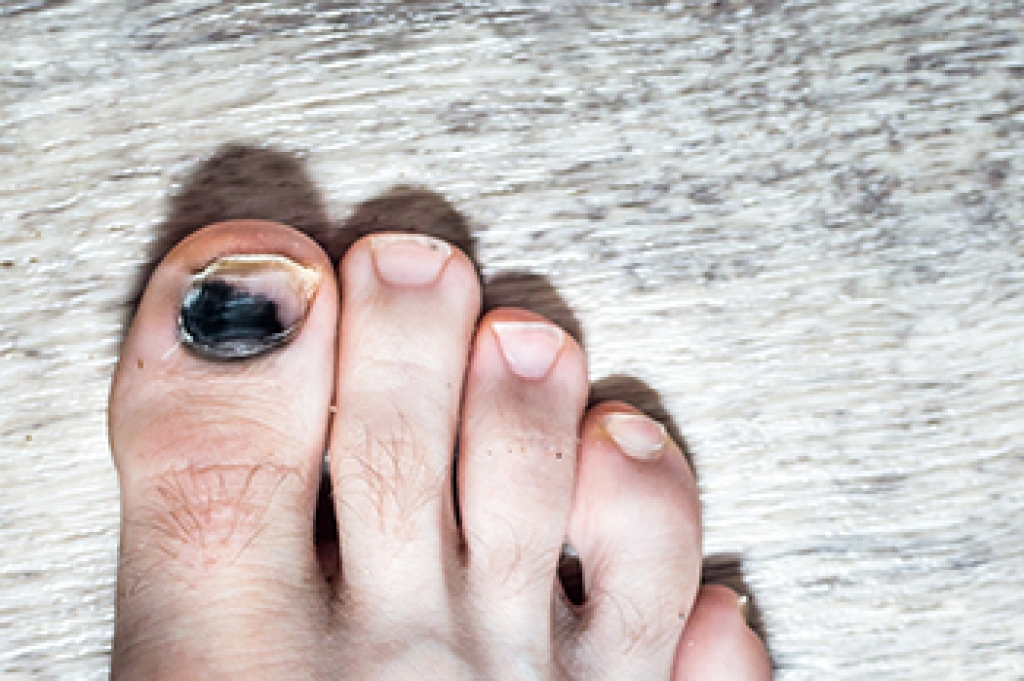
A bruised toenail, also called a subungual hematoma, develops when blood collects beneath the nail after the nail bed is injured. This commonly happens when a toe is hit, crushed, or repeatedly pressed inside a shoe. Pressure can damage tiny blood vessels beneath the nail, causing blood to become trapped under the nail plate. A bruised toenail may look concerning, but many cases improve as the nail grows out.

Discoloration is one of the most noticeable symptoms. The nail may turn red, dark brown, or nearly black as blood collects underneath it. Throbbing pain can occur soon after an injury, especially when pressure builds beneath the nail. The toe may also feel tender when touched or when wearing shoes. In some cases, the nail loosens as the injury heals. Severe pain, increasing swelling, or drainage may signal a more serious injury or infection.


Direct injury is a common cause of a bruised toenail. Dropping something on the toe, stubbing it, or having the toe caught in an accident can cause bleeding beneath the nail. Repeated pressure can also create a bruise, especially when shoes are too tight or toes repeatedly strike the front of footwear during running. Activities that place repeated stress on the feet can increase risk.


A podiatrist will examine the toe and nail to determine whether the discoloration is from an injury or another condition. X-rays may be recommended when a fracture is suspected. If blood has created significant pressure and pain, the podiatrist may drain the trapped blood to relieve discomfort. The toe may then be properly protected while the nail grows out. More serious injuries may require additional treatment and follow-up care. If you have a bruised toenail, it is suggested that you consult a podiatrist for effective relief and treatment solutions.

Toe pain can disrupt your daily activities. If you have any concerns, contact one of our podiatrists of Foot Doctors of Utica. Our doctors can provide the care you need to keep you pain-free and on your feet.

What Causes Toe Pain?

Most severe toe pain is caused due to a sports injury, trauma from dropping something heavy on the toe, or bumping into something rigid. Other problems can develop over time for various reasons.

Toe pain can be caused by one or more ailments. The most common include:

  • Trauma
  • Sports injury
  • Wearing shoes that are too tight
  • Arthritis
  • Gout
  • Corns and calluses
  • Hammertoe
  • Bunions
  • Blisters
  • Ingrown toenails
  • Sprains
  • Fractures (broken bones)
  • Dislocations

When to See a Podiatrist

  • Severe pain
  • Persistent pain that lasts more than a week
  • Signs of infection
  • Continued swelling
  • Pain that prevents walking

Diagnosis

In many cases the cause of toe pain is obvious, but in others, a podiatrist may want to use more advanced methods to determine the problem. These can range from simple visual inspections and sensation tests to X-rays and MRI scans. Prior medical history, family medical history, and any recent physical traumatic events will all be taken into consideration for a proper diagnosis.

Treatment

Treatments for toe pain and injuries vary and may include shoe inserts, padding, taping, medicines, injections, and in some cases, surgery. If you believe that you have broken a toe, please see a podiatrist as soon as possible.

If you have any questions please contact our offices located in Herkimer, and New Hartford, NY . We offer the newest diagnostic and treatment technologies for all your foot and ankle needs.

Read more about Toe Pain

How Pronation Affects Foot Health

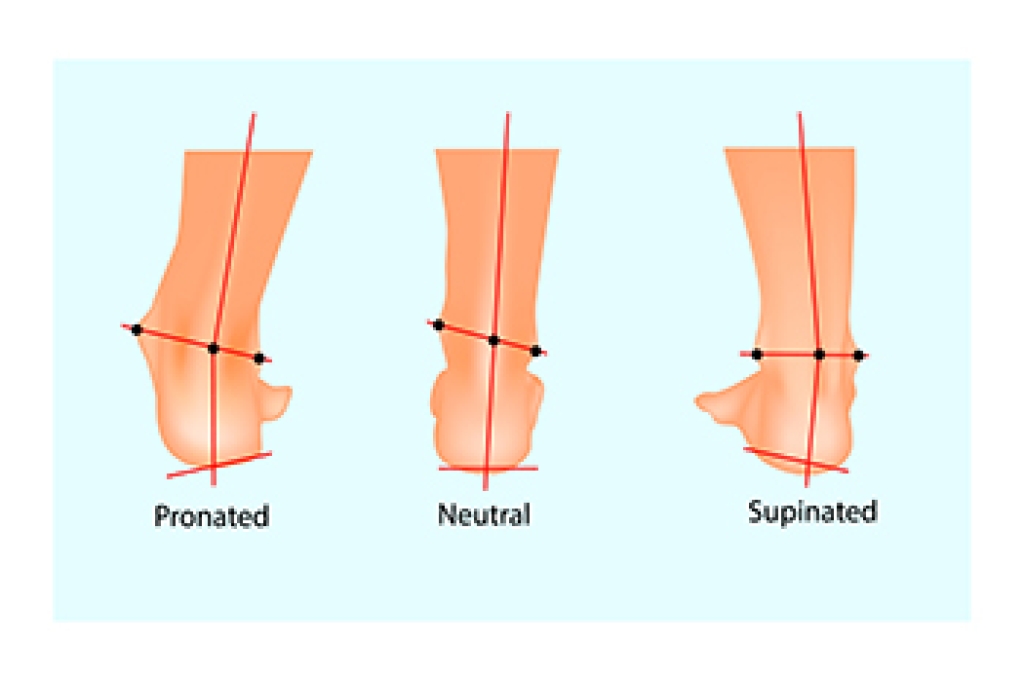
Pronation describes the inward roll of the foot after the heel touches the ground. This movement helps the foot absorb shock and adjust to the surface while walking or running. A small amount of pronation is a normal part of a step. Overpronation occurs when the foot rolls too far inward, which can cause the arch to flatten. It can affect how weight moves through the foot. People with flat feet are more likely to overpronate.

Signs of overpronation can appear in the feet, shoes, or legs. The arch may drop inward when standing, and the inner edges of the shoes may wear down faster. Some patients develop heel pain, arch discomfort, or repeated ankle problems. Extra strain can also reach the knees, hips, and lower back. These symptoms do not always prove that overpronation is the cause. Other foot problems can produce similar pain. A podiatrist can study the position of the feet and watch how they move. This gait evaluation, which is an assessment of walking patterns, helps identify abnormal motion and areas of excess pressure.

Treatment depends on the patient's foot structure, symptoms, and activity level. A podiatrist can recommend shoes with the right amount of support and cushioning. Custom orthotics can also be prescribed to guide foot motion and spread pressure more evenly. These devices are made to match the patient's feet and specific walking pattern. The podiatrist can also evaluate related problems, like plantar fasciitis, tendon strain, or ankle instability. Imaging tests can help rule out bone or joint damage when the examination raises concern. Regular follow-up visits allow the podiatrist to check whether treatment is improving comfort and movement. Surgery is rarely considered and is generally reserved for severe structural problems that do not improve with other care. If you have foot pain after exercise, it is suggested that you schedule an appointment with a podiatrist for a diagnosis and appropriate treatment.

If you have any concerns about your feet, contact one of our podiatrists from Foot Doctors of Utica. Our doctors can provide the care you need to keep you pain-free and on your feet.

Biomechanics in Podiatry

Podiatric biomechanics is a particular sector of specialty podiatry with licensed practitioners who are trained to diagnose and treat conditions affecting the foot, ankle and lower leg. Biomechanics deals with the forces that act against the body, causing an interference with the biological structures. It focuses on the movement of the ankle, the foot and the forces that interact with them.

A History of Biomechanics

  • Biomechanics dates back to the BC era in Egypt where evidence of professional foot care has been recorded.
  • In 1974, biomechanics gained a higher profile from the studies of Merton Root, who claimed that by changing or controlling the forces between the ankle and the foot, corrections or conditions could be implemented to gain strength and coordination in the area.

Modern technological improvements are based on past theories and therapeutic processes that provide a better understanding of podiatric concepts for biomechanics. Computers can provide accurate information about the forces and patterns of the feet and lower legs.

Understanding biomechanics of the feet can help improve and eliminate pain, stopping further stress to the foot.

If you have any questions please feel free to contact our offices located in Herkimer, and New Hartford, NY . We offer the newest diagnostic and treatment technologies for all your foot and ankle needs.

Read more about The Importance of Biomechanics in Podiatry

Plantar Warts Can Be Treated!

Plantar warts are small growths that develop on parts of the feet that bear weight. They're typically found on the bottom of the foot. Don't live with plantar warts, and call us today!

Foot Injuries From Skateboarding

Skateboarding can be exciting and physically demanding, but repeated jumps and tricks can place considerable stress on the feet and ankles. The impact of landing on a skateboard or the ground can contribute to foot injuries, especially among children and young adults. Skateboarding injuries can range from bruises and cuts to more serious ankle sprains or fractures. Repetitive, forceful movements can also irritate tissues over time. Plantar fasciitis, which causes heel pain, may develop from repeated strain. Skateboarders may also experience Achilles tendonitis or stress fractures from continued pressure on the feet and ankles.


Some skateboarding injuries may be more serious than they first appear. An ankle sprain and a fracture can cause similar symptoms, making a professional diagnosis important. Being able to walk after an injury does not necessarily mean that a bone is not fractured. Cuts and abrasions also deserve attention, because damaged skin can become infected. Supportive footwear and protective equipment can help reduce some of the risks associated with skateboarding. However, persistent pain, swelling, or difficulty walking may indicate an injury that requires medical evaluation. Ignoring these warning signs could allow a foot or ankle problem to become more difficult to manage.


A podiatrist can examine sports-related foot and ankle injuries and determine the source of pain after a skateboarding accident. An evaluation can help distinguish between a sprain and fracture while identifying injuries caused by repeated impact. Treatment will depend on the type and severity of the injury. Proper diagnosis is especially important when symptoms continue after an injury or interfere with normal movement. A podiatrist can develop an appropriate treatment plan that supports recovery and helps protect long-term foot health. If skateboarding has caused ongoing foot pain, ankle pain, or difficulty walking, it is suggested that you consult a podiatrist for an evaluation and appropriate treatment options.

Sports related foot and ankle injuries require proper treatment before players can go back to their regular routines. For more information, contact one of our podiatrists of Foot Doctors of Utica. Our doctors can provide the care you need to keep you pain-free and on your feet.

Sports Related Foot and Ankle Injuries

Foot and ankle injuries are a common occurrence when it comes to athletes of any sport. While many athletes dismiss the initial aches and pains, the truth is that ignoring potential foot and ankle injuries can lead to serious problems. As athletes continue to place pressure and strain the area further, a mild injury can turn into something as serious as a rupture and may lead to a permanent disability. There are many factors that contribute to sports related foot and ankle injuries, which include failure to warm up properly, not providing support or wearing bad footwear. Common injuries and conditions athletes face, including:

  • Plantar Fasciitis
  • Achilles Tendinitis
  • Achilles Tendon Rupture
  • Ankle Sprains

Sports related injuries are commonly treated using the RICE method. This includes rest, applying ice to the injured area, compression and elevating the ankle. More serious sprains and injuries may require surgery, which could include arthroscopic and reconstructive surgery. Rehabilitation and therapy may also be required in order to get any recovering athlete to become fully functional again. Any unusual aches and pains an athlete sustains must be evaluated by a licensed, reputable medical professional.

If you have any questions please contact our offices located in Herkimer, and New Hartford, NY . We offer the newest diagnostic and treatment technologies for all your foot and ankle needs.

Read more about Sports Related Foot And Ankle Injuries

Connect With Us

scroll to top