How a Podiatrist Can Help Manage Bunions

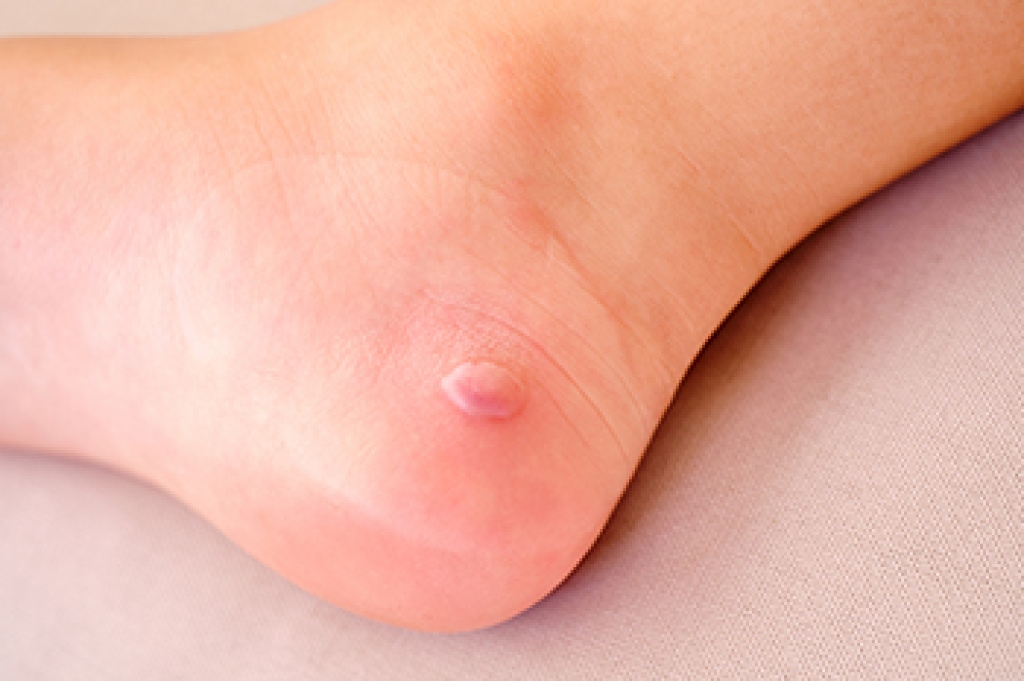
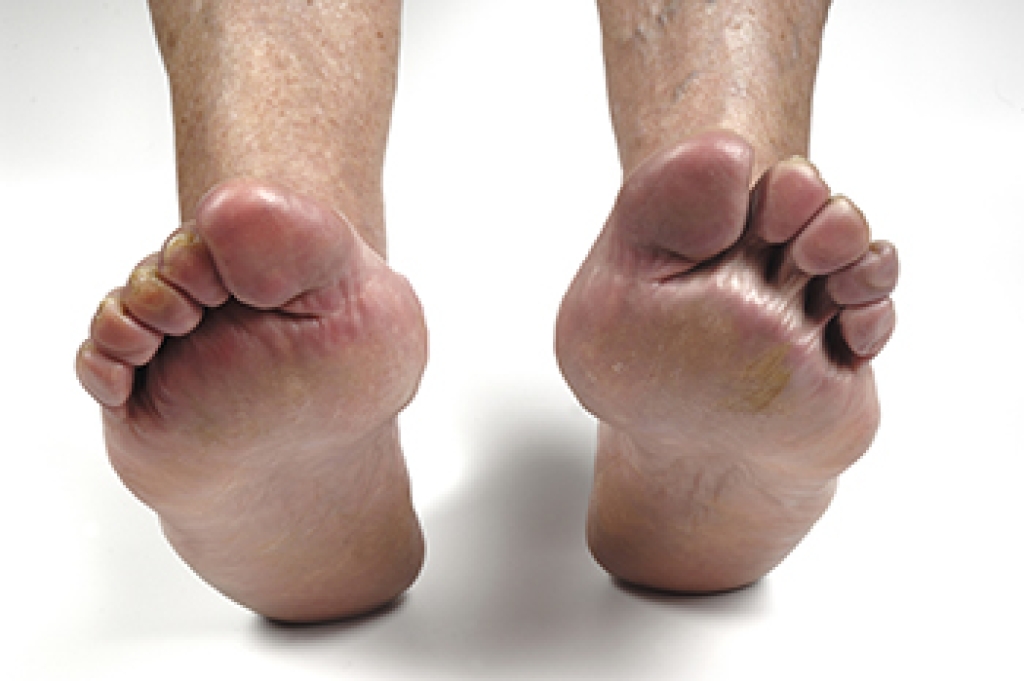
Bunions are bony bumps that develop at the base of the big toe, while the joint gradually shifts out of its normal position. As the big toe moves toward the smaller toes, the joint becomes more prominent and may become painful over time. Bunions often develop slowly and may be influenced by inherited foot structure, arthritis, or long-term pressure on the joint. As the deformity progresses, walking and wearing shoes can become increasingly uncomfortable. The skin over the bunion may become irritated, and the surrounding joint may lose flexibility. Because bunions tend to worsen without proper care, a professional evaluation is important to determine the severity of the problem and recommend appropriate treatment. Early podiatry care may also help preserve joint function and reduce discomfort.


Symptoms of a bunion vary depending on its size and progression. Many people experience pain, swelling, or redness around the base of the big toe. Others notice stiffness or difficulty bending the toe during walking. As the joint changes shape, shoes may fit poorly and place additional pressure on the affected area. Some individuals also develop corns or calluses because the toes begin rubbing against one another. Ongoing discomfort can interfere with work, exercise, and everyday activities. Identifying the problem early allows treatment to begin before the deformity continues to progress and affects overall foot function.


A podiatrist specializes in diagnosing and treating bunions and other foot conditions that affect mobility. During an examination, the podiatrist evaluates the alignment of the foot, reviews symptoms, and determines the extent of the bunion before creating an individualized treatment plan. Treatment focuses on relieving pain, improving joint function, and slowing further changes to the affected joint whenever possible. Early podiatry care may also help patients remain active and improve overall foot health. If you are experiencing bunion pain, swelling, or difficulty walking, it is suggested that you consult a podiatrist for an evaluation and appropriate treatment options.

If you are suffering from bunion pain, contact one of our podiatrists of Foot Doctors of Utica. Our doctors can provide the care you need to keep you pain-free and on your feet.

What Is a Bunion?

Bunions are painful bony bumps that usually develop on the inside of the foot at the joint of the big toe. As the deformity increases over time, it may become painful to walk and wear shoes. Women are more likely to exacerbate existing bunions since they often wear tight, narrow shoes that shift their toes together. Bunion pain can be relieved by wearing wider shoes with enough room for the toes.

Causes

  • Genetics – some people inherit feet that are more prone to bunion development
  • Inflammatory Conditions - rheumatoid arthritis and polio may cause bunion development

Symptoms

  • Redness and inflammation
  • Pain and tenderness
  • Callus or corns on the bump
  • Restricted motion in the big toe

In order to diagnose your bunion, your podiatrist may ask about your medical history, symptoms, and general health. Your doctor might also order an x-ray to take a closer look at your feet. Nonsurgical treatment options include orthotics, padding, icing, changes in footwear, and medication. If nonsurgical treatments don’t alleviate your bunion pain, surgery may be necessary.

If you have any questions, please feel free to contact our offices located in Herkimer, and New Hartford, NY . We offer the newest diagnostic and treatment technologies for all your foot care needs.

Read more about Bunions

Understanding Nerve-Related Pain in the Ball of the Foot

Morton's neuroma affects the nerves of the forefoot, leading to pain and discomfort in the area between the toes. It develops when the tissue surrounding a nerve thickens due to repeated pressure or irritation. This thickened tissue can compress the nerve, causing symptoms that interfere with normal walking and daily activities. The condition most often occurs between the third and fourth toes, where pressure is commonly concentrated.

Symptoms include a sharp or burning pain in the ball of the foot, often accompanied by tingling or numbness in the toes. Some individuals report a sensation of fullness or the feeling of standing on a small object. Pain may increase with activity or when wearing tight or restrictive footwear. In many cases, symptoms improve temporarily when shoes are removed or when the foot is rested.


Risk factors include footwear choices, activity level, and foot structure. Shoes with a narrow toe box or elevated heel height can compress the toes and increase pressure on the nerve. Repetitive activities, such as running or jumping, may also contribute to irritation. Individuals with biomechanical issues, such as flat feet or high arches, may place uneven stress on the forefoot, increasing the likelihood of developing this condition.


The cause of Morton's neuroma is linked to ongoing nerve compression and inflammation. Addressing contributing factors early can help relieve discomfort and prevent worsening symptoms. Wearing supportive footwear, proper cushioning, and professional care can improve foot function and reduce pain. If you have symptoms of Morton's neuroma, it is suggested that you seek evaluation from a podiatrist for proper diagnosis and effective relief and treatment solutions.

Morton’s neuroma is a very uncomfortable condition to live with. If you think you have Morton’s neuroma, contact one of our podiatrists of Foot Doctors of Utica. Our doctors will attend to all of your foot care needs and answer any of your related questions.  

Morton’s Neuroma

Morton's neuroma is a painful foot condition that commonly affects the areas between the second and third or third and fourth toe, although other areas of the foot are also susceptible. Morton’s neuroma is caused by an inflamed nerve in the foot that is being squeezed and aggravated by surrounding bones.

What Increases the Chances of Having Morton’s Neuroma?

  • Ill-fitting high heels or shoes that add pressure to the toe or foot
  • Jogging, running or any sport that involves constant impact to the foot
  • Flat feet, bunions, and any other foot deformities

Morton’s neuroma is a very treatable condition. Orthotics and shoe inserts can often be used to alleviate the pain on the forefront of the feet. In more severe cases, corticosteroids can also be prescribed. In order to figure out the best treatment for your neuroma, it’s recommended to seek the care of a podiatrist who can diagnose your condition and provide different treatment options.

If you have any questions, please feel free to contact our offices located in Herkimer, and New Hartford, NY . We offer the newest diagnostic and treatment technologies for all your foot care needs.

Read more about What is Morton's Neuroma?

Types of Fungal Foot Infections

Fungal infections of the feet are caused by different types of fungi that affect the skin or toenails. One of the most common infections is athlete’s foot, which affects the skin between the toes, on the soles, or along the sides of the feet. This infection can spread in warm, damp places like locker rooms and public pools. Symptoms include itching, peeling skin, and cracking. Another common fungal infection affects the toenails. The nails can become thick, brittle, and discolored. Some people also notice debris collecting under the nail. Fungal infections can be stubborn and tend to worsen when they are not treated properly.

Different types of fungi are responsible for these infections. Dermatophytes are fungi that feed on keratin, a protein found in skin and nails. These fungi are the leading cause of athlete’s foot and many toenail infections. Molds are another type of fungus that can infect the toenails, especially when a nail has been damaged. Yeasts, including a type called Candida, can also cause infections of the skin and nails. Candida normally lives on the skin without causing problems. However, when it grows excessively, it can lead to redness, irritation, and nail changes.

A podiatrist can identify the type of fungal infection by examining the affected area and evaluating the symptoms. Treatment depends on the location and severity of the infection. Athlete’s foot is commonly treated with antifungal creams, sprays, or powders. More advanced infections sometimes require prescription medicine. Toenail fungus frequently requires oral medication because the infection develops beneath the nail surface. Early treatment can help prevent the infection from spreading to other nails or areas of the foot. If you have symptoms of a fungal infection in your feet, it is suggested that you make an appointment with a podiatrist for an exam and treatment options.

For more information about treatment, contact one of our podiatrists of Foot Doctors of Utica. Our doctors can provide the care you need to keep you pain-free and on your feet.

Toenail Fungus Treatment

Toenail fungus is a condition that affects many people and can be especially hard to get rid of. Fortunately, there are several methods to go about treating and avoiding it.

Antifungals & Deterrence

Oral antifungal medicine has been shown to be effective in many cases. It is important to consult with a podiatrist to determine the proper regiment for you, or potentially explore other options.

Applying foot powder on the feet and shoes helps keep the feet free of moisture and sweat.

Sandals or open toed shoes – Wearing these will allow air movement and help keep feet dry. They also expose your feet to light, which fungus cannot tolerate. Socks with moisture wicking material also help as well.

If you have any questions please contact our offices located in Herkimer, and New Hartford, NY . We offer the newest diagnostic and treatment technologies for all your foot and ankle needs.


Read more about Toenail Fungus

Are Bunions Affecting Your Everyday Life?

Have you noticed a bony protrusion on the side of your big toe? If so, you may have developed the foot condition known as a bunion. Don't let bunions interfere with your daily activities.

Why Falls Lead to Foot and Ankle Injuries

Falls are a leading cause of foot and ankle injuries, especially in active adults and aging populations. These injuries occur when sudden impact or awkward positioning places stress on the ankle joint. The joint functions as a hinge that allows movement while maintaining stability. When a fall forces the joint beyond its normal range, ligaments can stretch or tear, and bones may fracture. Recognizing the causes behind these injuries helps guide effective prevention.

Common symptoms include pain, swelling, bruising, and reduced mobility. Many individuals experience difficulty walking or standing after a fall. In some cases, there may be a popping sensation at the time of injury, followed by instability. Ignoring these symptoms can lead to improper healing and long term complications such as chronic ankle instability or arthritis.


Risk factors vary but often include age-related changes in balance and strength. Occupations that involve climbing or working on uneven surfaces increase exposure to falls. Certain medications that cause dizziness or drowsiness can impair coordination. Underlying health conditions, such as poor circulation or nerve damage, may also reduce awareness of foot placement. Gender differences in footwear and activity levels can further influence injury risk.


Effective prevention focuses on improving stability and reducing hazards. Wearing well fitted, supportive shoes helps maintain balance and reduce strain on the ankle. Regular exercise can strengthen muscles and improve coordination. Creating a safe environment at home and work is important, in addition to reviewing medications with a healthcare provider. If you have concerns about falls prevention or have sustained a foot or ankle injury, it is strongly suggested that you seek care from a podiatrist for a proper evaluation and treatment.

Preventing falls among the elderly is very important. If you are older and have fallen or fear that you are prone to falling, consult with one of our podiatrists from Foot Doctors of Utica. Our doctors will assess your condition and provide you with quality advice and care.

Every 11 seconds, an elderly American is being treated in an emergency room for a fall related injury. Falls are the leading cause of head and hip injuries for those 65 and older. Due to decreases in strength, balance, senses, and lack of awareness, elderly persons are very susceptible to falling. Thankfully, there are a number of things older persons can do to prevent falls.

How to Prevent Falls

Some effective methods that older persons can do to prevent falls include:

  • Enrolling in strength and balance exercise program to increase balance and strength
  • Periodically having your sight and hearing checked
  • Discuss any medications you have with a doctor to see if it increases the risk of falling
  • Clearing the house of falling hazards and installing devices like grab bars and railings
  • Utilizing a walker or cane
  • Wearing shoes that provide good support and cushioning
  • Talking to family members about falling and increasing awareness

Falling can be a traumatic and embarrassing experience for elderly persons; this can make them less willing to leave the house, and less willing to talk to someone about their fears of falling. Doing such things, however, will increase the likelihood of tripping or losing one’s balance. Knowing the causes of falling and how to prevent them is the best way to mitigate the risk of serious injury.  

If you have any questions, please feel free to contact our offices located in Herkimer, and New Hartford, NY . We offer the newest diagnostic and treatment technologies for all your foot care needs.

Read more about Falls Prevention

Connect With Us

scroll to top