Tarsal Tunnel Syndrome and Nerve Pain in the Foot

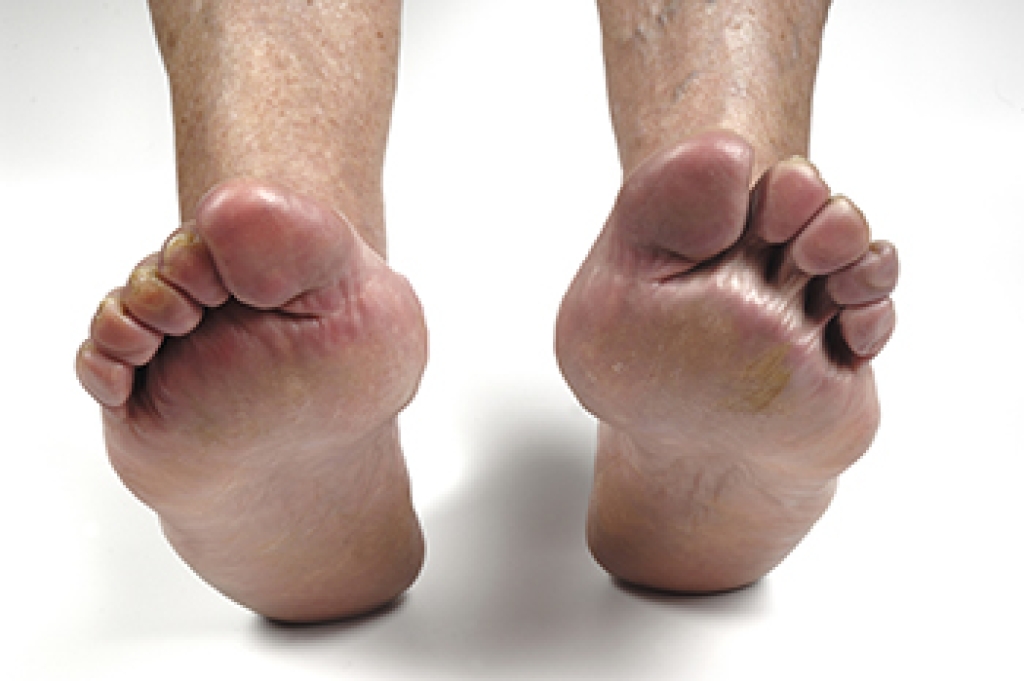
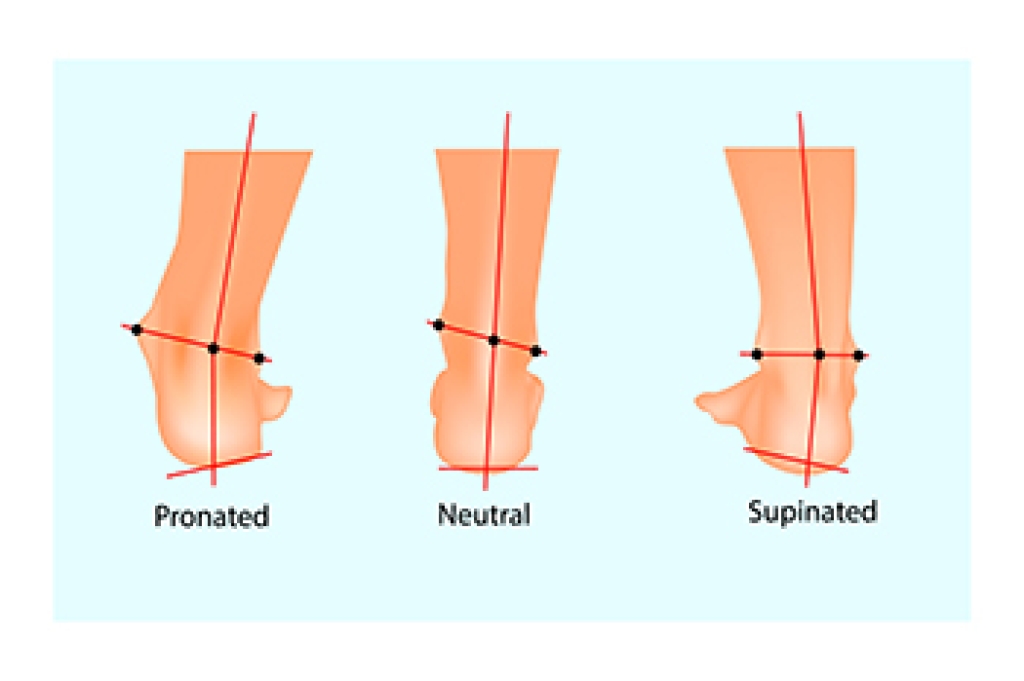
Tarsal tunnel syndrome is a condition caused by compression of the tibial nerve as it passes through the tarsal tunnel near the inside of the ankle. This can lead to pain, tingling, burning sensations, or numbness that may travel into the heel, arch, or toes. Symptoms often worsen with standing, walking, or activity. Causes include injury, swelling, flat feet, or repetitive stress on the ankle. Risk factors include certain foot structures, arthritis, and conditions that cause inflammation. This condition can significantly affect walking comfort and daily mobility. A podiatrist can diagnose the issue, identify the source of nerve pressure, and recommend orthotics or other interventions. If you have persistent foot or ankle nerve pain, it is suggested that you consult a podiatrist who can guide you toward effective relief and treatment solutions.

Tarsal tunnel syndrome can be very uncomfortable to live with. If you are experiencing tarsal tunnel syndrome, contact one of our podiatrists of Foot Doctors of Utica. Our doctors can provide the care you need to keep you pain-free and on your feet.

Tarsal Tunnel Syndrome

Tarsal tunnel syndrome, which can also be called tibial nerve dysfunction, is an uncommon condition of misfiring peripheral nerves in the foot. The tibial nerve is the peripheral nerve in the leg responsible for sensation and movement of the foot and calf muscles. In tarsal tunnel syndrome, the tibial nerve is damaged, causing problems with movement and feeling in the foot of the affected leg.

Common Cause of Tarsal Tunnel Syndrome

  • Involves pressure or an injury, direct pressure on the tibial nerve for an extended period of time, sometimes caused by other body structures close by or near the knee.
  • Diseases that damage nerves, including diabetes, may cause tarsal tunnel syndrome.
  • At times, tarsal tunnel syndrome can appear without an obvious cause in some cases.

The Effects of Tarsal Tunnel Syndrome

  • Different sensations, an afflicted person may experience pain, tingling, burning or other unusual sensations in the foot of the affected leg.
  • The foot muscles, toes and ankle become weaker, and curling your toes or flexing your foot can become difficult.
  • If condition worsens, infections and ulcers may develop on the foot that is experiencing the syndrome.

A physical exam of the leg can help identify the presence of tarsal tunnel syndrome. Medical tests, such as a nerve biopsy, are also used to diagnose the condition. Patients may receive physical therapy and prescriptive medication. In extreme cases, some may require surgery.

If you have any questions please contact our offices located in Herkimer, and New Hartford, NY . We offer the newest diagnostic and treatment technologies for all your foot and ankle needs.


Read more about Treating Tarsal Tunnel Syndrome

Dealing With Toenail Fungus

Toenail fungus can cause the nails to become thickened, discolored, and brittle. The nail may appear yellow, white, or brown and can begin to separate from the nail bed over time. While fungal infections often start as a cosmetic concern, they can progress and lead to secondary infection. This may occur if the surrounding skin becomes irritated or broken. The area may feel tender, swollen, or develop redness and drainage if bacteria are involved. Risk factors include warm moist environments, tight footwear, minor trauma, and certain medical conditions that affect circulation or immunity. A podiatrist can evaluate the nail and confirm the type of infection. Treatment options include topical or oral antifungal medications, careful trimming or thinning of the nail, and guidance on proper foot hygiene. Early care helps prevent spread and complications. If you have toenail fungus or signs of infection, it is suggested that you make an appointment with a podiatrist.

If left untreated, toenail fungus may spread to other toenails, skin, or even fingernails. If you suspect you have toenail fungus it is important to seek treatment right away. For more information about treatment, contact one of our podiatrists of Foot Doctors of Utica. Our doctors can provide the care you need to keep you pain-free and on your feet.

Symptoms

  • Warped or oddly shaped nails
  • Yellowish nails
  • Loose/separated nail
  • Buildup of bits and pieces of nail fragments under the nail
  • Brittle, broken, thickened nail

Treatment

If self-care strategies and over-the-counter medications does not help your fungus, your podiatrist may give you a prescription drug instead. Even if you find relief from your toenail fungus symptoms, you may experience a repeat infection in the future.

Prevention

In order to prevent getting toenail fungus in the future, you should always make sure to wash your feet with soap and water. After washing, it is important to dry your feet thoroughly especially in between the toes. When trimming your toenails, be sure to trim straight across instead of in a rounded shape. It is crucial not to cover up discolored nails with nail polish because that will prevent your nail from being able to “breathe”.

In some cases, surgical procedure may be needed to remove the toenail fungus. Consult with your podiatrist about the best treatment options for your case of toenail fungus.  

If you have any questions please contact our offices located in Herkimer, and New Hartford, NY . We offer the newest diagnostic and treatment technologies for all your foot and ankle needs.
Read more about How to Treat Your Toenail Fungus

Preventing Falls in Pickleball and Staying Safe on the Court

Pickleball is a fast-growing sport that requires quick movements and balance. However, falls can occur due to wearing improper footwear, poor court movement, and lack of preparation. Shoes without proper grip or support increase slipping risk, while sudden direction changes without training can strain feet and ankles. Inadequate warm-up and conditioning also reduces stability and reaction time. Learning proper footwork, practicing controlled movements, and wearing court-specific shoes can significantly lower injury risk. A podiatrist can evaluate foot mechanics, recommend supportive footwear, and provide custom orthotics or exercises to improve strength and alignment. Taking these steps helps players stay confident and safe. If you have developed a foot and ankle injury from pickleball or fallen on the court, it is suggested that you consult a podiatrist who can offer effective treatment solutions and fall prevention tips.

Preventing falls among the elderly is very important. If you are older and have fallen or fear that you are prone to falling, consult with one of our podiatrists from Foot Doctors of Utica. Our doctors will assess your condition and provide you with quality advice and care.

Every 11 seconds, an elderly American is being treated in an emergency room for a fall related injury. Falls are the leading cause of head and hip injuries for those 65 and older. Due to decreases in strength, balance, senses, and lack of awareness, elderly persons are very susceptible to falling. Thankfully, there are a number of things older persons can do to prevent falls.

How to Prevent Falls

Some effective methods that older persons can do to prevent falls include:

  • Enrolling in strength and balance exercise program to increase balance and strength
  • Periodically having your sight and hearing checked
  • Discuss any medications you have with a doctor to see if it increases the risk of falling
  • Clearing the house of falling hazards and installing devices like grab bars and railings
  • Utilizing a walker or cane
  • Wearing shoes that provide good support and cushioning
  • Talking to family members about falling and increasing awareness

Falling can be a traumatic and embarrassing experience for elderly persons; this can make them less willing to leave the house, and less willing to talk to someone about their fears of falling. Doing such things, however, will increase the likelihood of tripping or losing one’s balance. Knowing the causes of falling and how to prevent them is the best way to mitigate the risk of serious injury.  

If you have any questions, please feel free to contact our offices located in Herkimer, and New Hartford, NY . We offer the newest diagnostic and treatment technologies for all your foot care needs.

Read more about Falls Prevention

Let the Expert Treat Your Ingrown Toenails

Ingrown toenails can be painful and can make wearing shoes or walking uncomfortable. Seek professional help if you believe you've developed an ingrown toenail and be treated safely. 

Causes and Risk Factors of Gout

Gout is a form of arthritis caused by a buildup of uric acid in the body, leading to the formation of sharp crystals in the joints. It most commonly affects the big toe and can cause sudden and intense pain. Symptoms include redness, swelling, warmth, and severe tenderness in the affected area. Causes may include diet high in purines, dehydration, and reduced kidney function. Risk factors include obesity, alcohol use, certain medications, and family history. Men are more likely to develop gout due to higher uric acid levels and hormonal differences. A podiatrist can help by diagnosing the condition, managing pain, and recommending lifestyle changes. If you have pain in your big toe or surrounding areas, it is suggested that you are under the care of a podiatrist who can help you manage this painful condition.

Gout is a painful condition that can be treated. If you are seeking treatment, contact one of our podiatrists from Foot Doctors of Utica. Our doctors will treat your foot and ankle needs.

What Is Gout?

Gout is a form of arthritis that is characterized by sudden, severe attacks of pain, redness, and tenderness in the joints. The condition usually affects the joint at the base of the big toe. A gout attack can occur at any random time, such as the middle of the night while you are asleep.

Symptoms

  • Intense Joint Pain - Usually around the large joint of your big toe, and it most severe within the first four to twelve hours
  • Lingering Discomfort - Joint discomfort may last from a few days to a few weeks
  • Inflammation and Redness -Affected joints may become swollen, tender, warm and red
  • Limited Range of Motion - May experience a decrease in joint mobility

Risk Factors

  • Genetics - If family members have gout, you’re more likely to have it
  • Medications - Diuretic medications can raise uric acid levels
  • Gender/Age - Gout is more common in men until the age of 60. It is believed that estrogen protects women until that point
  • Diet - Eating red meat and shellfish increases your risk
  • Alcohol - Having more than two alcoholic drinks per day increases your risk
  • Obesity - Obese people are at a higher risk for gout

Prior to visiting your podiatrist to receive treatment for gout, there are a few things you should do beforehand. If you have gout you should write down your symptoms--including when they started and how often you experience them, important medical information you may have, and any questions you may have. Writing down these three things will help your podiatrist in assessing your specific situation so that he or she may provide the best route of treatment for you.

If you have any questions, please feel free to contact our offices located in Herkimer, and New Hartford, NY . We offer the newest diagnostic and treatment technologies for all your foot care needs.

Read more about Gout

Connect With Us

scroll to top