Types of Fungal Foot Infections

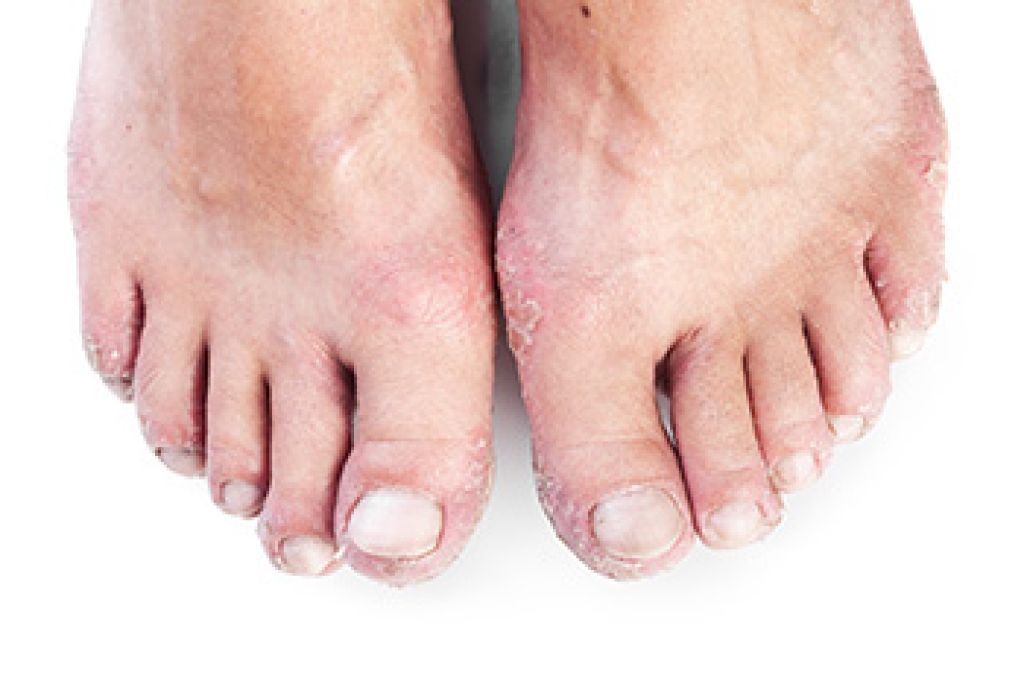
Fungal infections of the feet are caused by different types of fungi that affect the skin or toenails. One of the most common infections is athlete’s foot, which affects the skin between the toes, on the soles, or along the sides of the feet. This infection can spread in warm, damp places like locker rooms and public pools. Symptoms include itching, peeling skin, and cracking. Another common fungal infection affects the toenails. The nails can become thick, brittle, and discolored. Some people also notice debris collecting under the nail. Fungal infections can be stubborn and tend to worsen when they are not treated properly.

Different types of fungi are responsible for these infections. Dermatophytes are fungi that feed on keratin, a protein found in skin and nails. These fungi are the leading cause of athlete’s foot and many toenail infections. Molds are another type of fungus that can infect the toenails, especially when a nail has been damaged. Yeasts, including a type called Candida, can also cause infections of the skin and nails. Candida normally lives on the skin without causing problems. However, when it grows excessively, it can lead to redness, irritation, and nail changes.

A podiatrist can identify the type of fungal infection by examining the affected area and evaluating the symptoms. Treatment depends on the location and severity of the infection. Athlete’s foot is commonly treated with antifungal creams, sprays, or powders. More advanced infections sometimes require prescription medicine. Toenail fungus frequently requires oral medication because the infection develops beneath the nail surface. Early treatment can help prevent the infection from spreading to other nails or areas of the foot. If you have symptoms of a fungal infection in your feet, it is suggested that you make an appointment with a podiatrist for an exam and treatment options.

For more information about treatment, contact one of our podiatrists of Foot Doctors of Utica. Our doctors can provide the care you need to keep you pain-free and on your feet.

Toenail Fungus Treatment

Toenail fungus is a condition that affects many people and can be especially hard to get rid of. Fortunately, there are several methods to go about treating and avoiding it.

Antifungals & Deterrence

Oral antifungal medicine has been shown to be effective in many cases. It is important to consult with a podiatrist to determine the proper regiment for you, or potentially explore other options.

Applying foot powder on the feet and shoes helps keep the feet free of moisture and sweat.

Sandals or open toed shoes – Wearing these will allow air movement and help keep feet dry. They also expose your feet to light, which fungus cannot tolerate. Socks with moisture wicking material also help as well.

If you have any questions please contact our offices located in Herkimer, and New Hartford, NY . We offer the newest diagnostic and treatment technologies for all your foot and ankle needs.

Read more about Toenail Fungus

Are Bunions Affecting Your Everyday Life?

Have you noticed a bony protrusion on the side of your big toe? If so, you may have developed the foot condition known as a bunion. Don't let bunions interfere with your daily activities.

Why Falls Lead to Foot and Ankle Injuries

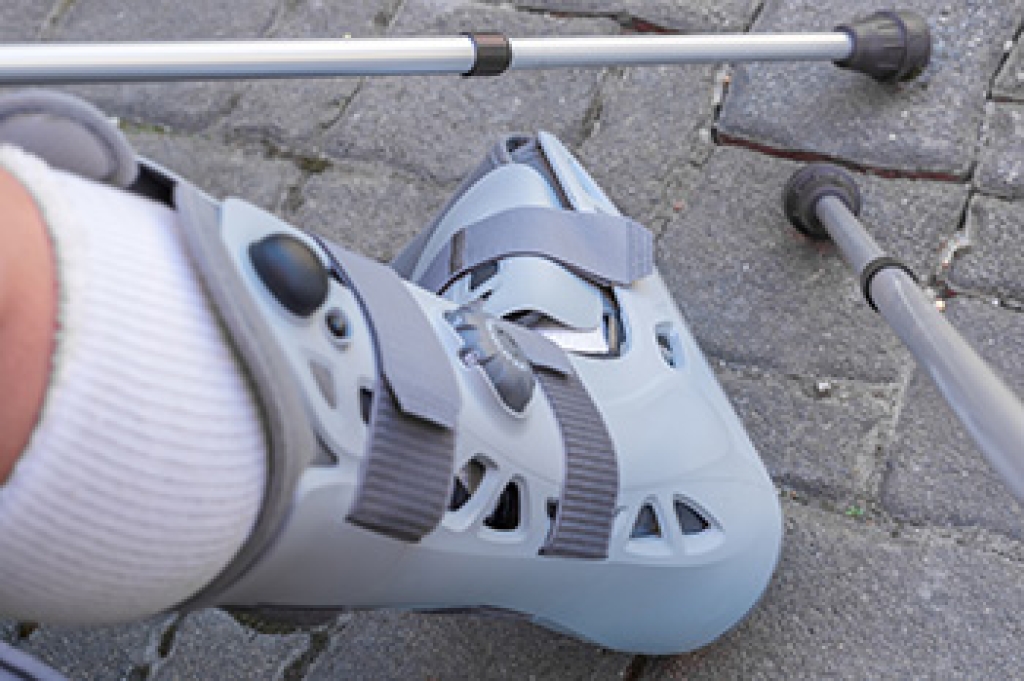
Falls are a leading cause of foot and ankle injuries, especially in active adults and aging populations. These injuries occur when sudden impact or awkward positioning places stress on the ankle joint. The joint functions as a hinge that allows movement while maintaining stability. When a fall forces the joint beyond its normal range, ligaments can stretch or tear, and bones may fracture. Recognizing the causes behind these injuries helps guide effective prevention.

Common symptoms include pain, swelling, bruising, and reduced mobility. Many individuals experience difficulty walking or standing after a fall. In some cases, there may be a popping sensation at the time of injury, followed by instability. Ignoring these symptoms can lead to improper healing and long term complications such as chronic ankle instability or arthritis.


Risk factors vary but often include age-related changes in balance and strength. Occupations that involve climbing or working on uneven surfaces increase exposure to falls. Certain medications that cause dizziness or drowsiness can impair coordination. Underlying health conditions, such as poor circulation or nerve damage, may also reduce awareness of foot placement. Gender differences in footwear and activity levels can further influence injury risk.


Effective prevention focuses on improving stability and reducing hazards. Wearing well fitted, supportive shoes helps maintain balance and reduce strain on the ankle. Regular exercise can strengthen muscles and improve coordination. Creating a safe environment at home and work is important, in addition to reviewing medications with a healthcare provider. If you have concerns about falls prevention or have sustained a foot or ankle injury, it is strongly suggested that you seek care from a podiatrist for a proper evaluation and treatment.

Preventing falls among the elderly is very important. If you are older and have fallen or fear that you are prone to falling, consult with one of our podiatrists from Foot Doctors of Utica. Our doctors will assess your condition and provide you with quality advice and care.

Every 11 seconds, an elderly American is being treated in an emergency room for a fall related injury. Falls are the leading cause of head and hip injuries for those 65 and older. Due to decreases in strength, balance, senses, and lack of awareness, elderly persons are very susceptible to falling. Thankfully, there are a number of things older persons can do to prevent falls.

How to Prevent Falls

Some effective methods that older persons can do to prevent falls include:

  • Enrolling in strength and balance exercise program to increase balance and strength
  • Periodically having your sight and hearing checked
  • Discuss any medications you have with a doctor to see if it increases the risk of falling
  • Clearing the house of falling hazards and installing devices like grab bars and railings
  • Utilizing a walker or cane
  • Wearing shoes that provide good support and cushioning
  • Talking to family members about falling and increasing awareness

Falling can be a traumatic and embarrassing experience for elderly persons; this can make them less willing to leave the house, and less willing to talk to someone about their fears of falling. Doing such things, however, will increase the likelihood of tripping or losing one’s balance. Knowing the causes of falling and how to prevent them is the best way to mitigate the risk of serious injury.  

If you have any questions, please feel free to contact our offices located in Herkimer, and New Hartford, NY . We offer the newest diagnostic and treatment technologies for all your foot care needs.

Read more about Falls Prevention

Signs of Peripheral Artery Disease in the Feet

Peripheral artery disease develops when blood flow to the legs and feet becomes reduced, often because arteries become narrowed, over time. In the feet, this may appear as pain during walking that improves with rest, coldness compared with the other foot, and slow-healing sores, in addition to skin color changes, or thinning, fragile skin. Some people notice reduced hair growth on the legs or feet, thickened nails, numbness, or weakness. As circulation worsens, pain may occur even while resting, especially at night. Because reduced blood flow can delay healing and increase the risk of serious complications, early recognition is important. A podiatrist can evaluate circulation, examine skin and nail changes, and identify warning signs that need further medical attention. If you notice foot pain with walking, unexplained wounds, or changes in skin temperature or color, it is strongly suggested that you visit a podiatrist.

Peripheral artery disease can pose a serious risk to your health. It can increase the risk of stroke and heart attack. If you have symptoms of peripheral artery disease, consult with one of our podiatrists from Foot Doctors of Utica. Our doctors will assess your condition and provide you with quality foot and ankle treatment.

Peripheral artery disease (PAD) is when arteries are constricted due to plaque (fatty deposits) build-up. This results in less blood flow to the legs and other extremities. The main cause of PAD is atherosclerosis, in which plaque builds up in the arteries.

Symptoms

Symptoms of PAD include:

  • Claudication (leg pain from walking)
  • Numbness in legs
  • Decrease in growth of leg hair and toenails
  • Paleness of the skin
  • Erectile dysfunction
  • Sores and wounds on legs and feet that won’t heal
  • Coldness in one leg

It is important to note that a majority of individuals never show any symptoms of PAD.

Diagnosis

While PAD occurs in the legs and arteries, Podiatrists can diagnose PAD. Podiatrists utilize a test called an ankle-brachial index (ABI). An ABI test compares blood pressure in your arm to you ankle to see if any abnormality occurs. Ultrasound and imaging devices may also be used.

Treatment

Fortunately, lifestyle changes such as maintaining a healthy diet, exercising, managing cholesterol and blood sugar levels, and quitting smoking, can all treat PAD. Medications that prevent clots from occurring can be prescribed. Finally, in some cases, surgery may be recommended.

If you have any questions, please feel free to contact our offices located in Herkimer, and New Hartford, NY . We offer the newest diagnostic and treatment technologies for all your foot care needs.

Read more about Peripheral Artery Disease

How Athlete's Foot Spreads

Athlete's foot is a fungal infection that affects the skin of the feet and commonly develops in warm, moist environments. The condition often begins between the toes, but may spread to the soles or sides of the feet. Symptoms include itching, burning, and peeling skin. An uncomfortable rash that may sting or become painful may also occur. In some cases, small blisters or dry flaky patches may appear. Athlete's foot can spread through direct contact with contaminated surfaces, such as locker room floors, public showers, and swimming pools. Shared footwear and towels, sweaty feet, and tight shoes also may create conditions that allow the fungus to thrive. A podiatrist can diagnose the infection by examining the skin and determining whether additional testing is needed. Treatment may include antifungal creams, oral medications for persistent infections, and guidance on keeping the feet clean and dry. Proper footwear and hygiene habits can help reduce the risk of recurrence. If you have athlete's foot, it is suggested that you schedule an appointment with a podiatrist for effective treatment solutions.

Athlete’s foot is an inconvenient condition that can be easily reduced with the proper treatment. If you have any concerns about your feet and ankles, contact one of our podiatrists from Foot Doctors of Utica.  Our doctors will treat your foot and ankle needs.

Athlete’s Foot: The Sole Story

Athlete's foot, also known as tinea pedis, can be an extremely contagious foot infection. It is commonly contracted in public changing areas and bathrooms, dormitory style living quarters, around locker rooms and public swimming pools, or anywhere your feet often come into contact with other people.

Solutions to Combat Athlete’s Foot

  • Hydrate your feet by using lotion
  • Exfoliate
  • Buff off nails
  • Use of anti-fungal products
  • Examine your feet and visit your doctor if any suspicious blisters or cuts develop

Athlete’s foot can cause many irritating symptoms such as dry and flaking skin, itching, and redness. Some more severe symptoms can include bleeding and cracked skin, intense itching and burning, and even pain when walking. In the worst cases, Athlete’s foot can cause blistering as well. Speak to your podiatrist for a better understanding of the different causes of Athlete’s foot, as well as help in determining which treatment options are best for you.

If you have any questions please feel free to contact our offices located in Herkimer, and New Hartford, NY . We offer the newest diagnostic and treatment technologies for all your foot and ankle needs.

Read more about How to Deal with Athlete's Foot

Connect With Us

scroll to top